Mini split cleaning kit: what should be in it and what you can skip
A mini split cleaning kit needs a bib bag, a no-rinse coil cleaner, a fin comb, a blower brush and a sprayer. What each part does and what you can skip.
The short answer
A good mini split cleaning kit has five things: a bib bag that hangs under the head and drains into a bucket, a pump sprayer, a no-rinse evaporator coil cleaner, a soft fin comb or brush, and a long flexible brush for the blower wheel. Skip the gadgets.
- The bib bag is the one part you can't improvise, so buy a sturdy reusable one sized to your head.
- Use only an aluminum-safe, no-rinse evaporator cleaner indoors, never bleach, degreaser or an outdoor condenser cleaner.
- Keep the fin comb for the outdoor unit; indoor fins are thinner, and a comb does more harm than good.
On this page
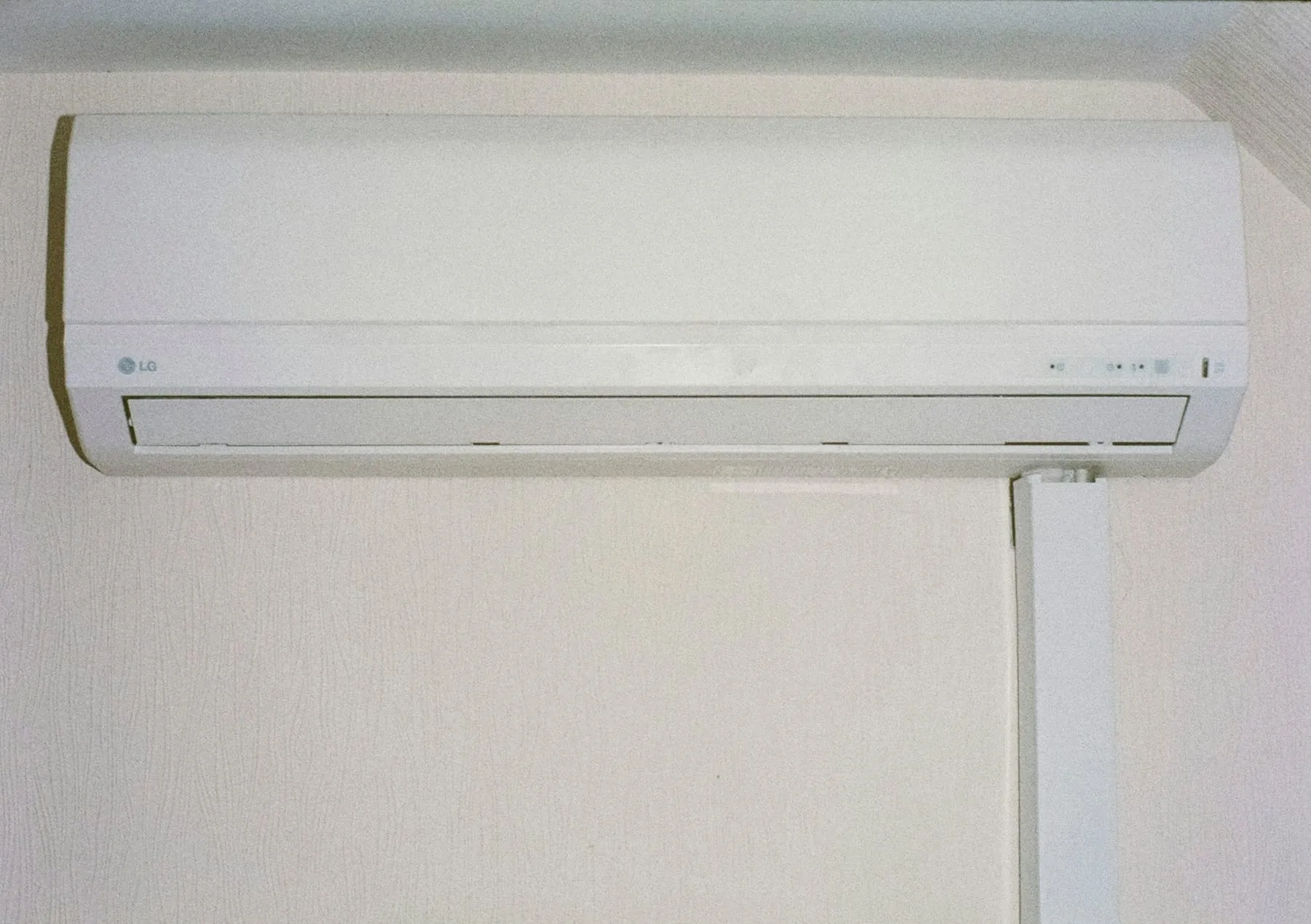
A mini split cleaning kit is a handful of ordinary things sold in one box at a markup, and that’s fine, because the one thing in the box you can’t improvise is worth the price of the rest. That’s the bib bag: a waterproof apron that hangs under the indoor head, catches the cleaner and the gray-black runoff that comes off the coil and blower, and funnels it into a bucket instead of down your wall. The sprayer, the brushes and the cleaner you can buy separately, and often better.
Below is the shopping list for the yearly deep clean: what each piece does, what to look for, and what to leave on the shelf. The step-by-step for using it is in how to clean a mini split, and the maintenance hub puts that job on the calendar with the rest. None of it touches the refrigerant or the wiring. It’s a power-off, bucket-and-brush job.
Why the mess is the hard part
The indoor head collects what its filters miss. Dust settles on the evaporator fins, and the blower wheel behind them grows a film of dust and biofilm, which is where the musty smell owners blame on the brand comes from. Cleaning it is simple enough: foam a cleaner into the fins, brush the blower vanes, let everything drain, flush the drain line. The trouble is that it all happens on a wall, above a floor, next to a circuit board. Most of what a kit does is manage the water.
Choosing each piece of a mini split cleaning kit
The bib bag. Get one wide enough for your head; most are sized for wall units up to about 36 inches, so check the length. You want a stiff or wired top edge that holds its shape against the wall, straps or clips that go over the unit rather than tape, a funnel bottom with a drain tube long enough to reach a bucket on the floor, and clear plastic so you can see what you’re doing. Thin disposable bags work once. A heavier reusable one is the better buy for a job you’ll do for fifteen years.
No-rinse evaporator coil cleaner. The label must say evaporator or indoor coil, and aluminum-safe. Foaming types show you coverage and cling to the fins while they work. No-rinse formulas break down and drain out with the condensate the next time the unit runs, which is why spring is the time to do this. Don’t substitute an outdoor condenser cleaner (many are acidic or alkaline enough to etch indoor fins), bleach, or a kitchen degreaser.
A blower wheel brush. Long, thin, soft and flexible, so it slides between the curved vanes of the barrel fan without taking it out. The cheap brushes in boxed kits are often too stiff or too short; a dedicated blower brush, or a long soft bottle brush, does better. This is the tool that fixes the smell.
A fin comb. For the outdoor unit, where fins get flattened by hail, a hose held too close or a leaning rake. The comb’s teeth match the fin spacing and straighten them so air can pass. Use it outdoors only. Indoor fins are thinner, and a comb does more harm than good there.
A pump sprayer. A one-gallon garden sprayer with a fine mist gives you a controlled rinse where the cleaner’s instructions call for one, and a way to wet the blower vanes before brushing. A spray bottle works in a pinch, though your hand will hate you by the end.
Leave these on the shelf
Steam cleaners. Heat and a jet of water near a circuit board and thin aluminum fins is more risk than reward, and steam doesn’t remove biofilm from a blower wheel any better than a brush.
Pressure sprayers marketed for mini splits. Electric or battery sprayers that promise to blast the coil clean mostly blast water past the coil into the casing. The coil wants foam and time, not force.
Fragrances and deodorizing sprays. They mask the smell for a week. The smell is the blower wheel, and the brush is what fixes it.
Outdoor coil cleaner brought indoors. Hose and fin comb outside; foam and brush inside. The chemistry is different and so is the mess.
Anything that opens the system. A kit with gauges, a vacuum pump or flare tools is an install kit, not a cleaning kit. Opening the refrigerant circuit requires an EPA 608 certification and has nothing to do with cleaning.
An hour with the kit
Cut the power at the breaker or disconnect. Remove and wash the filters. Hang the bag and set the bucket. Foam the coil and let it dwell as the can directs. Wet and brush the blower wheel, turning it by hand until the brush comes out clean. Then pour a cup of water into the drain pan and confirm it runs out the outdoor outlet; if it doesn’t, clear the drain from outside as the leaking water guide describes. Wipe the louvers and casing, let it all dry, refit, restore power and run fan mode with a window open. The full walk-through, with the Mitsubishi casing notes, is on the cleaning page.
When a kit won’t fix it
If the blower wheel is so fouled that the brush slides over the film rather than through it, call a tech who’ll pull the wheel. A coil that ices after cleaning has a refrigerant or airflow fault, not a cleaning fault; the not cooling guide explains how to tell. A unit that fouls unusually fast is often oversized and short-cycling, never running long enough to dry its own coil. If you’re still choosing a system, the size calculator prevents more mold than any cleaner.
Your cart, before spring
A sturdy reusable bib bag, a can of aluminum-safe no-rinse evaporator cleaner, a soft blower brush, a fin comb for outside and a pump sprayer. That set costs less than one service clean and lasts for years. Order it now, put an hour on the calendar for spring, and follow the steps in how to clean a mini split when the day comes.
Parts you’ll need
- Check price on Amazon
Bib bag cleaning kit
The one piece you can't improvise: hangs under the head and funnels cleaner and runoff into a bucket.
- Check price on Amazon
No-rinse evaporator coil cleaner
Foams into the indoor fins, lifts the dust and drains out with condensate. Aluminum-safe, indoor-rated.
- Check price on Amazon
Blower wheel brush
Long, soft and flexible to reach the barrel fan behind the coil, where the musty smell lives.
- Check price on Amazon
Fin comb
Straightens bent fins on the outdoor coil so air can pass. Not for the delicate indoor coil.
- Check price on Amazon
Pump sprayer
A gentle controlled rinse where the cleaner asks for one, without bringing a hose indoors.
- Check price on Amazon
Condensate drain tablets
One in the pan each season slows the slime that clogs drain lines between cleans.
Questions people ask
What is in a mini split cleaning kit?
The boxed kits usually bundle a waterproof bib bag with a drain funnel, a hose or tube to a bucket, and sometimes a sprayer and brushes. Coil cleaner is often sold separately. The bag is the part you can't improvise; the brushes and sprayer you may already own.
What is the best coil cleaner for a mini split?
A no-rinse evaporator coil cleaner labeled safe for aluminum and for indoor coils. Foaming types let you see coverage. Avoid outdoor condenser cleaners indoors, anything with bleach, and household degreasers; they attack the fins and the gaskets. Follow the can's dwell time and ventilate the room.
Can I clean a mini split without a kit?
The filters, yes, under a tap. The yearly coil and blower clean is possible with plastic sheeting taped under the head, a spray bottle and a soft brush, but the bib bag is what keeps cleaner and black runoff off your wall and floor. For a tool you use once a year for a decade, it's cheap insurance.
How often should I use a mini split cleaning kit?
Once a year for the full coil and blower clean, ideally in spring before cooling season. Twice if the unit runs year-round for heat and cooling, sits in a dusty workshop, or lives with pets. The filters are a separate job every two to four weeks and need no kit at all.
Do I need to turn off the power to clean a mini split?
Yes, at the breaker or the outdoor disconnect, not just the remote. The fan can start on its own in some modes and the control board sits beside the coil. Let the unit dry fully before restoring power, then run it in fan mode with a window open to clear any cleaner vapor.
Reader-supported. If you buy through a link on this page we may earn a commission, at no cost to you. How that works.