Mini split cost: what the system, the install and the total really run
Mini split pricing is confusing on purpose: the equipment is one number, the install is another, and the rebate paperwork is a third. We put all three side by side, then compare the total against central air, window units and ducted heat pumps.
Guides in costs & comparisons


Comparisons
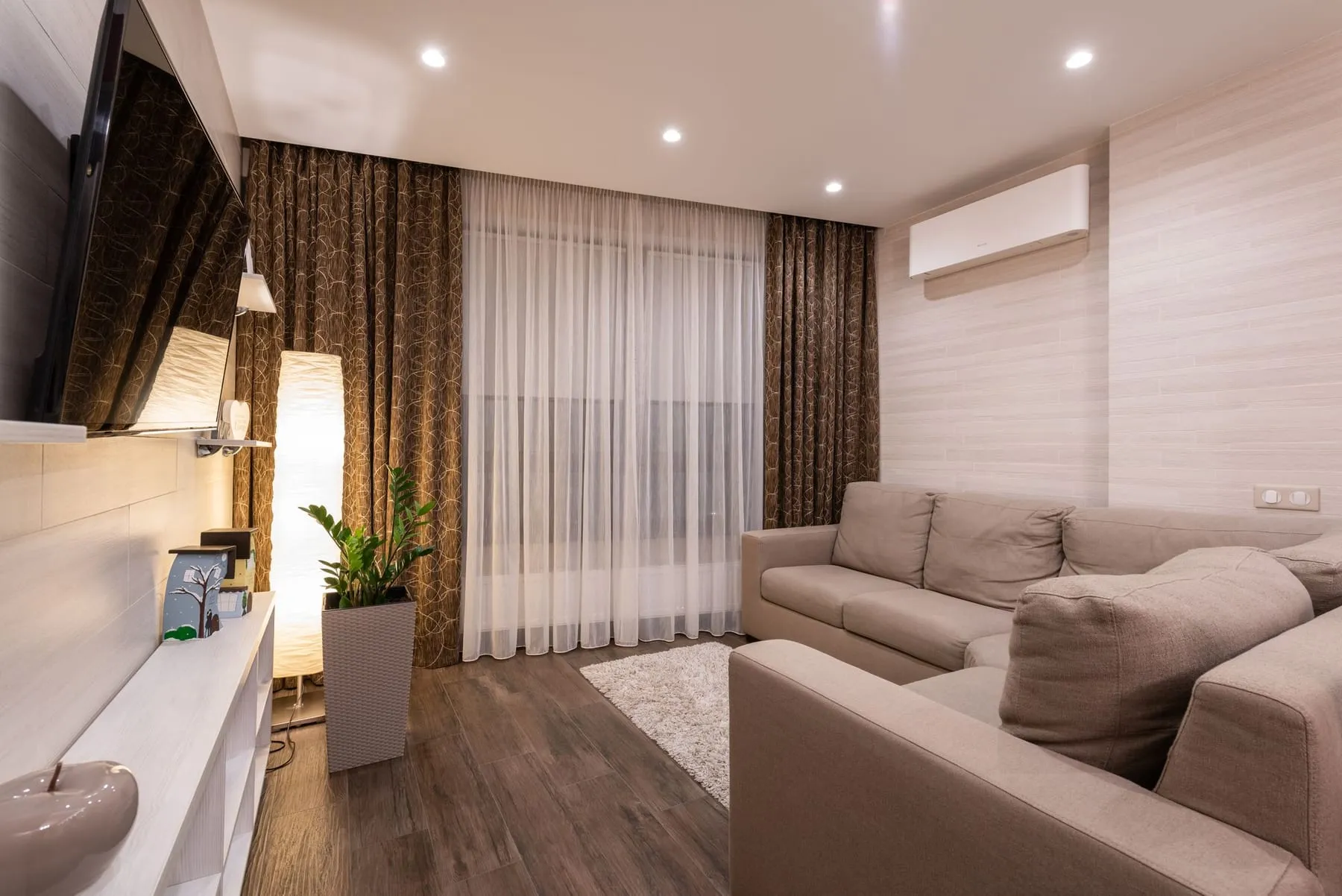 Mini split vs central air: cost, efficiency and which fits your houseCentral air wins in a house that already has good ducts and needs every room conditioned. A mini split wins where there are no ducts, where one or two rooms are the problem, or where heating matters too. Ductless costs more per room but wastes nothing in ducts.
 Mini split vs heat pump: is a mini split a heat pump, and which to buyNearly every mini split sold today is a heat pump, so the useful question is ductless versus ducted. A ductless mini split heats and cools room by room with no duct losses. A central heat pump uses your existing ducts to condition the whole house from one thermostat.
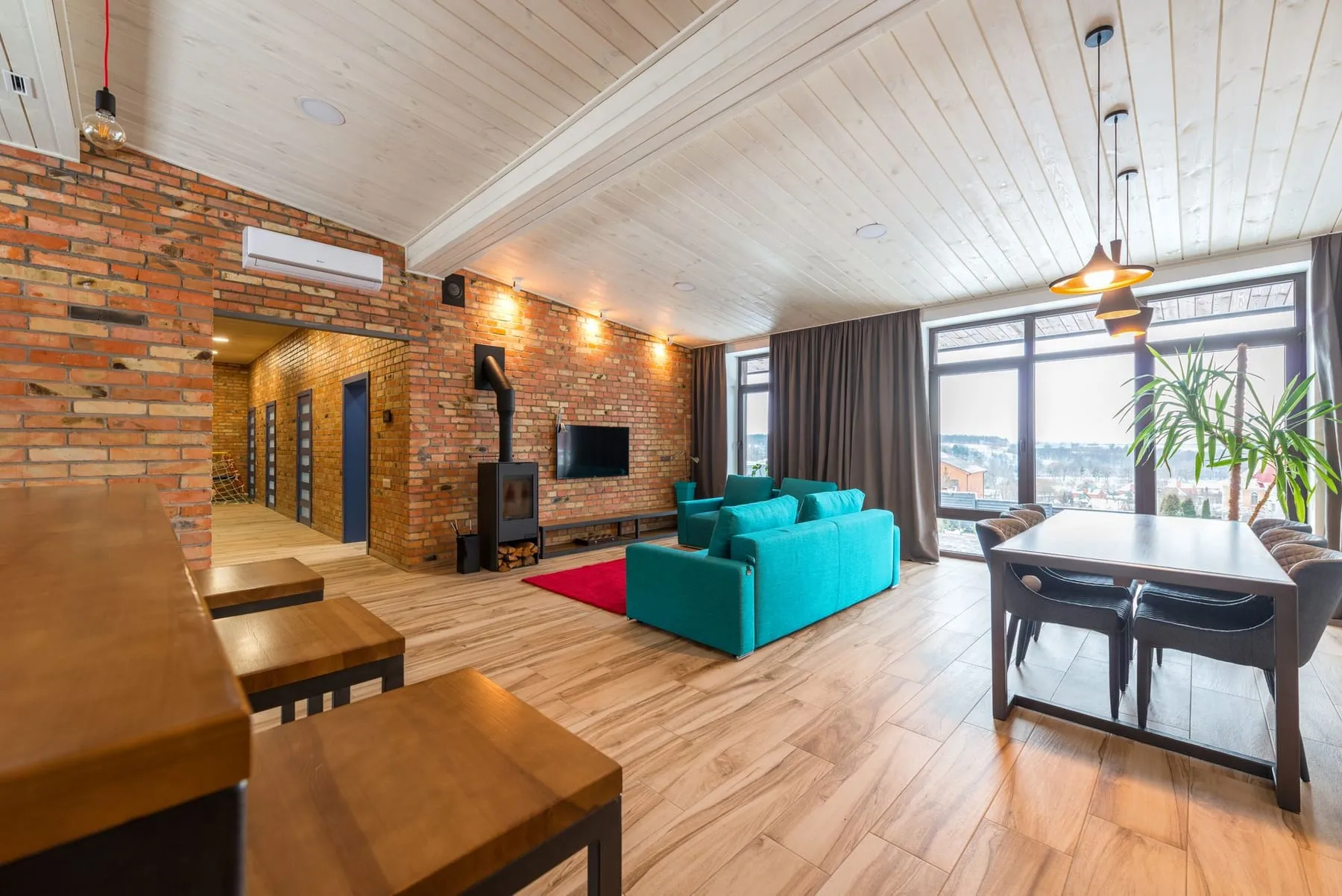 Mini split vs window AC: when the cheap box wins and when it does notA window AC costs a fraction of a mini split and goes in this afternoon, so it wins for a rental or a tight budget. A mini split is quieter, more efficient, heats in winter and keeps your window. In a room you use daily, it usually wins over time.
The short answer
A single-zone 12,000 BTU mini split runs roughly $800 to $2,800 for the equipment and $1,500 to $3,500 for professional labor, plus electrical and a permit. A pre-charged DIY kit skips the labor. These are planning ranges, not quotes.
- Labor, not equipment, swings the total most: $1,500–3,500 for one zone before the circuit and permit.
- A value-tier 12,000 BTU single zone in a typical metro plans out at roughly $2,650–6,100 all in.
- Ask every contractor to split equipment, labor and electrical so you can see exactly where two quotes differ.
Every mini split quote is three numbers wearing one coat: the equipment, the labor to hang and connect it, and the electrical and permit work around it. Retail listings show only the first. Contractor quotes bundle all three and rarely break them out. That’s why “how much does a mini split cost” gets answers from under a thousand dollars to well into five figures, and why most of those answers are true for somebody.
Below are the three numbers as planning ranges, the same ones behind our cost estimator, which adds them up for your size, zone count and region in about a minute. They come from scanning retailer listings and published US install cost surveys, last checked October 17, 2026. They aren’t quotes. Use them to walk into a contractor’s visit, or a checkout page, already knowing roughly what the total should be, so you notice when a number is out of line.
Mini split cost, in three parts
Equipment is the outdoor unit, the indoor head, and on a DIY kit the line set and fittings. It’s the number on the retail listing, and it moves with capacity (BTU), brand tier, and whether the system is a pre-charged DIY kit or a conventional one.
Labor is what an installer charges to mount the head, set the outdoor unit, run and connect the line set, pull a vacuum, release the refrigerant and commission the system. Most people forget it until the quote arrives.
Electrical and permits cover the circuit, the disconnect and the inspection. A mini split needs a dedicated circuit, almost always 208/230 V, and in most jurisdictions that’s a licensed electrician’s job and a permit. It’s small next to the other two, but it’s the piece most often left off a verbal estimate.
Before you price anything, make sure you’re pricing the right size. The size calculator takes thirty seconds and prints the BTU rating your room needs, which decides which row of the table below you’re in.
Equipment planning ranges by size
| Capacity | Value brand | DIY kit (pre-charged) | Premium brand |
|---|---|---|---|
| 6,000 BTU | $700–1,100 | $1,000–1,500 | $1,300–2,200 |
| 9,000 BTU | $750–1,200 | $1,100–1,700 | $1,400–2,400 |
| 12,000 BTU | $800–1,400 | $1,200–2,000 | $1,600–2,800 |
| 18,000 BTU | $1,000–1,800 | $1,500–2,400 | $2,000–3,400 |
| 24,000 BTU | $1,200–2,200 | $1,800–2,900 | $2,400–4,000 |
| 36,000 BTU | $1,700–3,000 | $2,600–3,900 | $3,300–5,200 |
The tiers mean specific things. Value is a brand such as Pioneer, Senville, DELLA or Costway sold direct or through a marketplace: a conventional system that needs a pro (or a very well-equipped amateur) to install. DIY kit is a pre-charged quick-connect system, which in practice means MRCOOL DIY or Klimaire DIY. The equipment costs more because the refrigerant and the line set are in the box, and the labor it saves is the whole point. Premium is Mitsubishi, Daikin, Fujitsu and the dealer-installed brands, where you’re paying for quieter operation, a lower minimum output, cold-climate heating and a dealer network behind the warranty.
Each extra indoor head on a multi-zone system adds, as a planning range, $500–900 in the value tier, $600–1,100 for a DIY kit and $900–1,600 at the premium end. Our brands hub sorts the names into those tiers and says what each does well, so you know which column you’re shopping in.
Paying a pro to install it
For a single-zone wall unit, the labor planning range is $1,500–3,500 before electrical. Each additional zone adds $700–1,500 in labor. A new dedicated circuit runs $300–900 depending on where the panel is and whether it has a free slot, and a permit is $50–300 depending on the jurisdiction.
Region moves all of this. Lower-cost areas (much of the Midwest, the South and rural America) come in around 15 percent under those figures; high-cost metros such as New York, the Bay Area, Boston and Seattle run around 30 percent over. The installation cost guide breaks the labor down by task and explains why one job takes a morning and another takes two days.
Add the ranges together for a value-tier 12,000 BTU single zone in a typical metro and you get roughly $2,650–6,100 all in. That spread is wide on purpose. The low end is a short line set through an exterior wall with a panel that has room. The high end is a long concealed run, a second-story head and a panel that needs work.
Doing it yourself with a pre-charged kit
A pre-charged DIY kit removes the labor line, which is where the saving lives. You still buy the parts around the system. As planning ranges: a wall bracket or ground pad for the outdoor unit, $60–150; a line set cover, $40–120 per 12 ft run; a disconnect box, whip and breaker, $60–150; wall sleeve, putty, tape and drain tubing, $40–100; and a condensate pump, $50–120, if the drain can’t run downhill. Most people still hire an electrician for the circuit, so budget the $300–900 for that unless you’re qualified and your jurisdiction allows it.
A conventional (non pre-charged) system can also be owner-installed, but only by someone who owns or buys a vacuum pump, gauges and a torque wrench ($150–350 as a set) and who understands that opening the refrigerant circuit requires an EPA 608 certification. For most readers that isn’t DIY. It’s a pro install with a cheaper unit. The DIY hub draws that line brand by brand.
What pushes the total up or down
- Zones. Each head adds equipment and labor. Two 9,000 BTU heads on one outdoor unit usually cost more than one 18,000 BTU head, and the two-head version is often the right answer anyway if there’s a door between the rooms.
- Line set length. Standard kits ship with 16 or 25 ft. A longer run means a longer line set, more cover, and more labor to route it.
- Electrical panel. A full panel or a long run from the panel to the outdoor unit is where the $300–900 range earns its top end.
- Cold-climate equipment. Models rated to heat below zero cost more up front and pay it back in January. The cold climate mini split guide lists which lines qualify.
- Region. The 15 percent discount or 30 percent premium applies to labor and electrical far more than to equipment, which is priced nationally.
Against central air, window units and ducted heat pumps
Cost only means something next to the other thing you’d buy. Against central air, a mini split costs more per room but nothing per duct, and it wins outright in a house with no ducts. Against a window AC it’s several times the price and several times quieter and more efficient; what matters is how many years you’ll use the room. Against a conventional ducted heat pump the difference is mostly the ducts, since nearly every mini split is a heat pump already.
On rebates: the federal 25C tax credit ended for systems installed after December 31, 2025, so don’t let anyone fold it into a quote. State and utility programs continue, and the rebates guide explains how to find yours before you buy, because many require pre-approval.
Other cost pages worth a look
If you know your size, the estimator turns these ranges into a total for your zones and region. Weighing DIY against a contractor? The installation cost guide shows what the labor buys. And if you’re choosing between brands, the brands hub places each one in a tier, which decides most of the equipment line.
Before you call for quotes
Size the room first, pick a tier second, and only then compare quotes. Ask each contractor to split equipment, labor and electrical so you can see where they differ, because labor is the part that moves. Every figure here is a planning range checked in October 2026, not a promise. Run the estimator with your own zones and region, and carry that number into the conversation.
Questions people ask
How much does a mini split cost installed?
For a single-zone 12,000 BTU system, add the equipment planning range ($800 to $2,800 depending on tier) to pro labor ($1,500 to $3,500), a new circuit ($300 to $900) and a permit ($50 to $300). Lower-cost regions run about 15 percent under those figures and expensive metros about 30 percent over. Our estimator does the arithmetic for your case.
How much is a mini split without installation?
Equipment alone, as planning ranges: $700 to $1,400 for a value-brand 6,000 to 12,000 BTU single zone, $1,000 to $3,000 for 18,000 to 36,000 BTU, and roughly double those figures at the premium end. Pre-charged DIY kits sit between the two because the line set and fittings are included.
Why do contractor quotes vary so much for the same unit?
Labor is the biggest variable and it depends on the line set run, whether the panel has room for a new circuit, how hard the outdoor unit is to place, and local wage rates. Two fair quotes for the same head can differ by a thousand dollars. Get three, and ask each to separate equipment, labor and electrical.
Is a DIY mini split really cheaper?
Usually, because you skip the labor range entirely. You still buy a bracket, a disconnect, a line set cover and a few supplies, and you may still need an electrician for the circuit. DIY only means a pre-charged quick-connect kit; any other system needs a vacuum pump and an EPA 608 certification to open the refrigerant circuit.
How much does each extra zone add?
As planning ranges, each additional indoor head adds $500 to $1,600 in equipment depending on tier and $700 to $1,500 in labor for a pro install. So a two-zone system isn't twice the price of a single zone, but it's well over half again.