Mini split condensate pump: when you need one and how to pick it
A mini split condensate pump is only needed when the drain can't fall by gravity. How to tell, what lift and noise to look for, and how to wire its safety switch.
The short answer
You need a condensate pump only when the indoor unit's drain can't run continuously downhill to the outside. Pick a quiet mini pump rated for more lift than your run needs, hide it in the line set cover or behind the head, and wire its float switch to shut the unit off if the pump fails.
- Trace the drain route from the pan to the ground outside; if every inch falls, skip the pump.
- In a bedroom, noise matters more than any other spec; if a listing doesn't mention it, assume it's loud.
- Rinse the reservoir and inlet filter twice a year, then pour in a cup of water to retest.
On this page
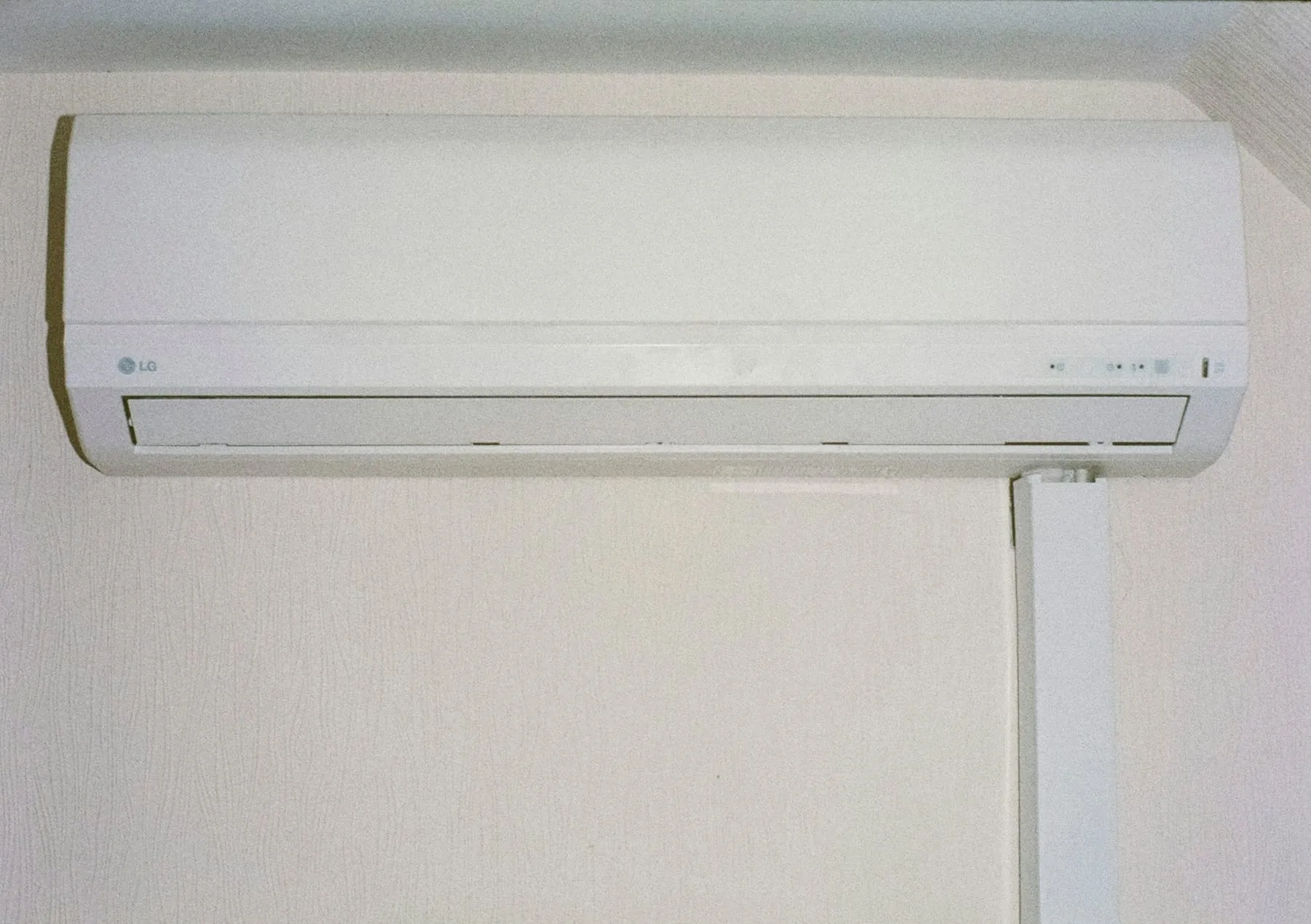
A mini split condensate pump is a small accessory most installs don’t need and a few can’t work without. As the indoor head cools, it pulls moisture out of the room air. That water collects in a pan and leaves through a drain hose. If the hose can fall continuously from the pan to the outdoors, gravity does the job for free. If it can’t, because the head is on an interior wall, in a basement below grade, or the only way outside goes up before it goes down, a pump lifts the water to where it can drain. That’s the whole decision.
We raise it in the planning step of the install guide for a reason: finding out on day two that the drain won’t fall is the classic way a DIY weekend turns into two. The DIY hub lists it among the things to settle before you buy. Still choosing a size? Use the calculator first. A larger unit makes more water, but the pump choice barely changes.
Tracing the drain to see if you need one
Stand where the indoor unit will go and trace the drain route to the spot outside where the water will hit the ground. Every inch of that route has to slope downward. On a wall unit the pan outlet sits a few inches below the top of the head, so a head mounted high on an exterior wall gets a natural fall straight through the wall and down the outside. No pump.
You need a pump if any of these is true:
- The head is on an interior wall and the drain has to travel along a ceiling or wall to reach the outside, and the route can’t keep a continuous fall.
- The room is a basement and the drain outlet would sit below the point where it leaves the house.
- The only exit is above the pan, for example through a rim joist above a basement head.
- A ceiling cassette or ducted unit sits in a ceiling with no fall to an outside wall (many cassettes include a built-in lift pump for exactly this reason).
If gravity can do it, let it. A pump is a moving part with a filter to clean and a float switch to trust, and a sloped hose has neither.
What to look for in a mini split condensate pump
Lift. The rating tells you how high the pump can push water. Measure the vertical rise from the pump to the highest point of the discharge line and buy a pump rated for comfortably more, since long horizontal runs and bends eat into that number. Mini pumps for ductless units commonly lift well over a story, so a single-floor rise is easy, but check the figure anyway.
Noise. The pump sits near the head, often in the same room, and runs in short bursts. Cheap ones buzz; better ones are close to silent. In a bedroom this matters more than anything else on the box. If a listing doesn’t mention noise, assume it’s loud.
Size and form. Some mini pumps are a single compact block (reservoir and pump together) that hides inside a line set cover. Others split into a reservoir behind the head and a pump unit somewhere else. For a wall unit, the compact block is simplest.
Safety float switch. Every pump worth buying has one. It’s a pair of wires that opens when the reservoir overfills, and it must be connected to the indoor unit so the system stops cooling instead of overflowing onto the wall. Skip any pump without one.
Tubing and fittings. Most kits include the discharge tubing and an inlet adapter for the drain hose. If yours lacks a check valve, buy one; it keeps the discharge line from draining back and the pump from cycling every minute.
Mounting and wiring the pump
Going by pump makers’ instructions and manufacturers’ installation manuals, this adds about an hour to the main job.
- Put the pump below the drain pan outlet so the drain hose falls into the reservoir by gravity. Inside the line set cover just outside the wall is a common spot, as is the cavity behind the head where the unit allows it, or a small enclosure beside the head.
- Connect the head’s drain hose to the reservoir inlet with a continuous fall and no sag. A sag traps water, gurgles and sooner or later overflows the pan.
- Run the discharge tubing from the pump up and then outside, or to a drain, with the check valve near the pump. Avoid kinks and keep the rise within the rating. Bundle it with the line set so it shares the cover.
- Wire the float switch to the indoor unit’s terminals exactly as the pump and unit manuals show. On most units this breaks the control circuit so the compressor stops when the float lifts. If the wiring diagram is unclear, ask the installer or the manufacturer’s support line. Don’t guess.
- Power the pump from whatever source the pump manual specifies. Many mini pumps connect to the indoor unit’s terminal block; others plug in. Any line-voltage connection follows the same rule as the rest of the install: an electrician in most jurisdictions.
- Test it by pouring a cup of water into the drain pan. The pump should start within seconds, lift the water, and stop. Then lift the float by hand and make sure the unit shuts down.
Twice-a-year care
Give the pump a look twice a year. Slime builds up in the reservoir and on the inlet filter, especially in humid climates, and after a sagging drain hose a clogged pump is the most common reason a mini split drips water indoors. Rinse the reservoir, clean the filter, drop a condensate treatment tablet in the pan, and run the cup-of-water test again. A pump that cycles every minute has a stuck or missing check valve. One that runs nonstop has a stuck float, or an inlet that’s lost its fall.
When water shows up where it shouldn’t, our leaking water guide walks through the diagnosis. If you’re putting a head in a basement, the basement guide covers layouts that avoid the pump altogether.
Settle the drain on paper first
Run the drain downhill if the house lets you, and buy a pump only when it doesn’t. When you do need one, choose quiet over cheap, buy more lift than the run calls for, mount it where you can reach the reservoir, and wire the float switch so a dead pump shuts the unit down instead of soaking the wall. Work this out before the install day, not after the hole is drilled.
Parts you’ll need
- Check price on Amazon
Mini split condensate pump kit
A compact pump with reservoir, tubing and float switch, sized for a single wall unit; check the lift rating against your run.
- Check price on Amazon
Clear vinyl drain tubing, 1/4 inch ID
The discharge line from the pump; buy more than you measured and avoid tight bends.
- Check price on Amazon
Condensate pan treatment tablets
Slows the slime that clogs mini pump reservoirs and inlet filters.
- Check price on Amazon
Inline check valve for condensate
Stops the discharge line draining back into the reservoir and triggering short cycles.
- Check price on Amazon
Foam anti-vibration pad
A pump sitting hard on drywall or inside a plastic cover hums; foam quiets it.
Questions people ask
Does a mini split need a condensate pump?
Only if gravity can't do the job. A wall unit high on an exterior wall drains through the wall and down, no pump needed. A unit on an interior wall, in a basement below grade, or where the drain must rise to reach the outside needs a pump. Most installs don't; the ones that do can't work without one.
How much water does a mini split produce?
On a humid summer day a single wall unit can produce several gallons of condensate, a steady drip every few seconds while it runs. In dry weather or in heating mode the indoor unit produces almost none. Any pump sized for a residential mini split handles that flow easily; lift and noise are what you're choosing on.
Where does the condensate pump go on a mini split?
As close to the indoor unit as possible, below the drain pan outlet so water flows into its reservoir by gravity. Common spots are inside the line set cover just outside the wall, in the cavity behind the head on some units, or in a small box beside the head. Keep it accessible; the reservoir needs cleaning.
Why is my mini split condensate pump so loud?
Usually because it's running dry, has a clogged inlet filter, or is mounted hard against drywall so its hum carries. Cheaper pumps are louder to begin with. Clean the reservoir and filter, check the inlet tube falls into it, and set the pump on a foam pad. If it still bothers you at night, a quieter model is the fix.
What happens if a mini split condensate pump fails?
Water backs up in the drain pan and overflows down the wall, which is why every mini pump has a float switch. Wire it to the indoor unit's terminals per the pump and unit manuals so the system stops cooling when the water level rises. A pump installed without the safety switch is a leak waiting to happen.
Reader-supported. If you buy through a link on this page we may earn a commission, at no cost to you. How that works.